Why your own site matters next to the booking platforms
Online travel platforms are good at getting you discovered. They are less good at telling your story, and every booking through them carries a commission. Many travelers check a hotel's own website before booking to see better photos, read policies and look for a better rate or a package.
Your site is your chance to win that visit. It should look like the stay you offer, load quickly and make booking direct as easy as booking anywhere else.
Room pages that answer the questions guests ask
Generic room descriptions push guests back to review sites for answers. Each room or room type should have its own page with:
- Several real photos, including the bathroom and the view.
- Bed size, maximum occupancy and square footage.
- Amenities that matter: a soaking tub, a fireplace, a kitchenette, a private entrance.
- Accessibility details, stairs and floor level.
- A "check availability" button that opens that room in your booking engine.
Policies for check-in, parking, pets, children and cancellations belong on one clear page, linked from every room.
Connecting your booking engine
Most hotels and inns already use a property management system and a booking engine. We do not replace them. We connect your website so availability, rates and reservations come straight from the system you run the front desk on, with no double entry.
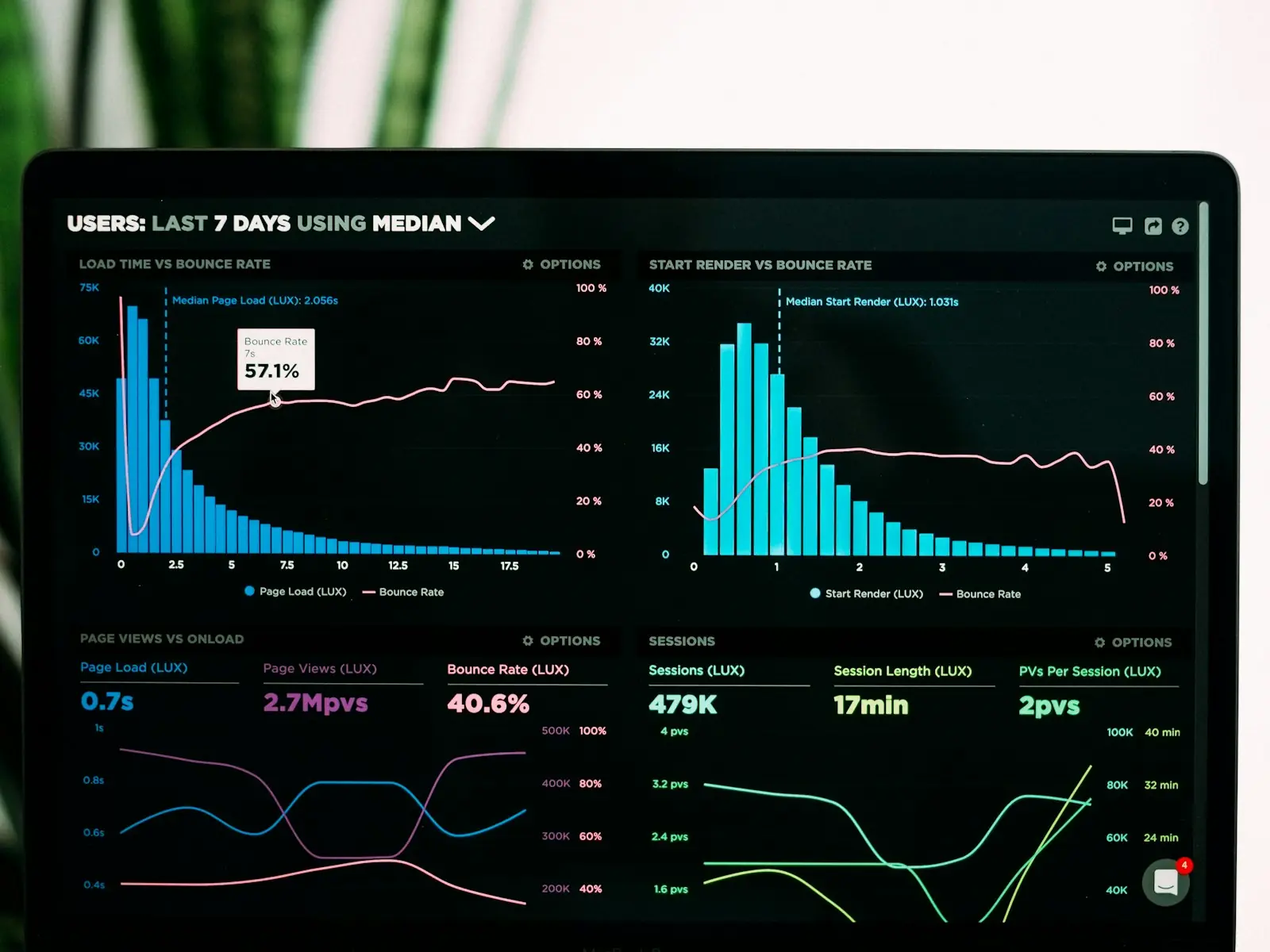
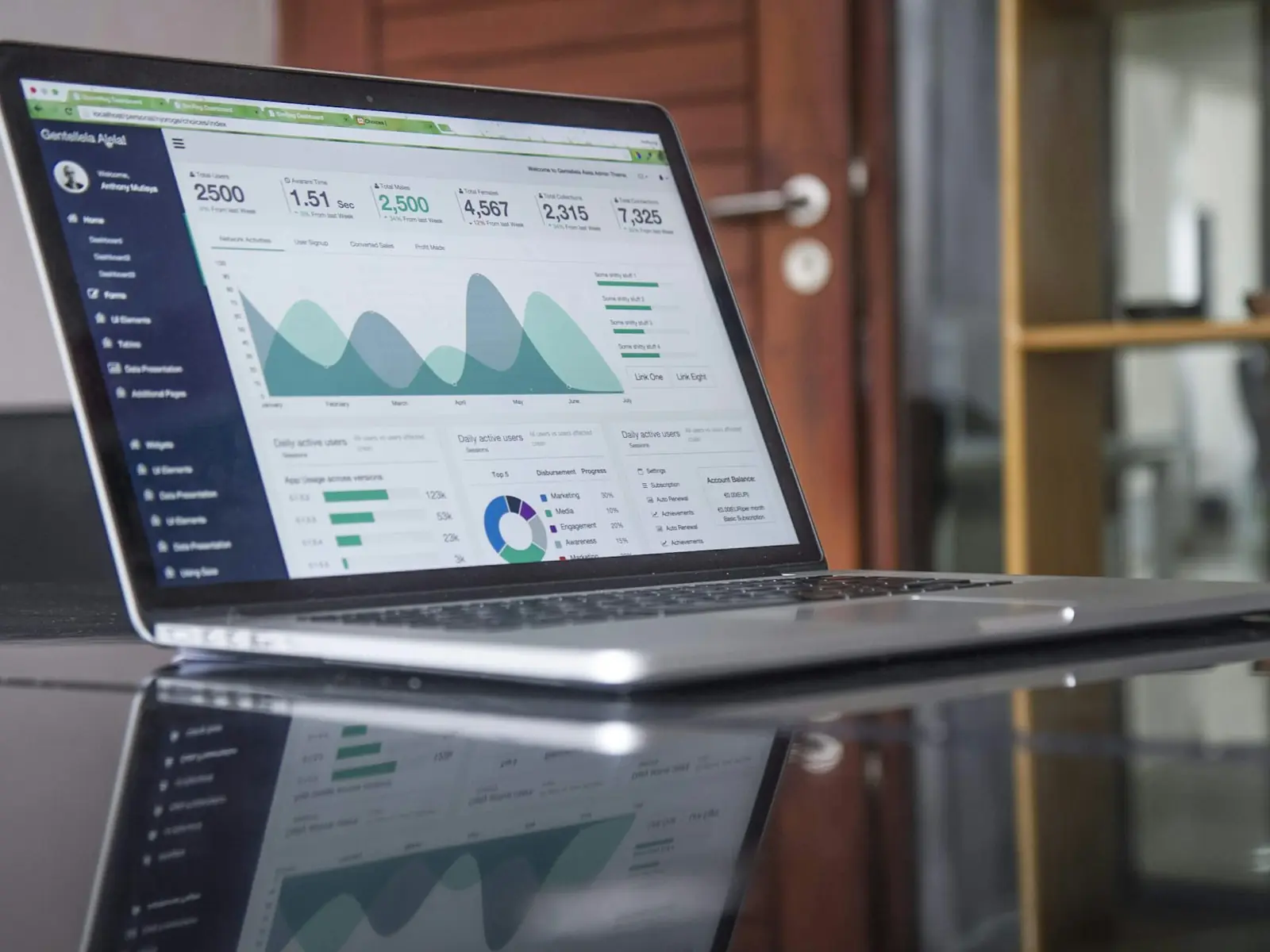
We style the booking flow to match your site as far as your provider allows, and we track direct bookings in your analytics so you can see what the website brings in. Calendar sync, guest email workflows and reporting dashboards are all part of our integrations work.
Packages, gift cards and group stays
Direct bookings grow when your site offers something the platforms cannot. Packages, such as a romance weekend with a bottle of wine or a stay with dinner included, give guests a reason to book with you. Gift cards sell well around the holidays and bring in new guests.
For weddings, retreats and family reunions, a group inquiry form that asks for dates, number of rooms and event needs routes the lead to whoever handles group sales. Selling gift cards and add-ons online is part of our e-commerce build.
Telling the story of the place
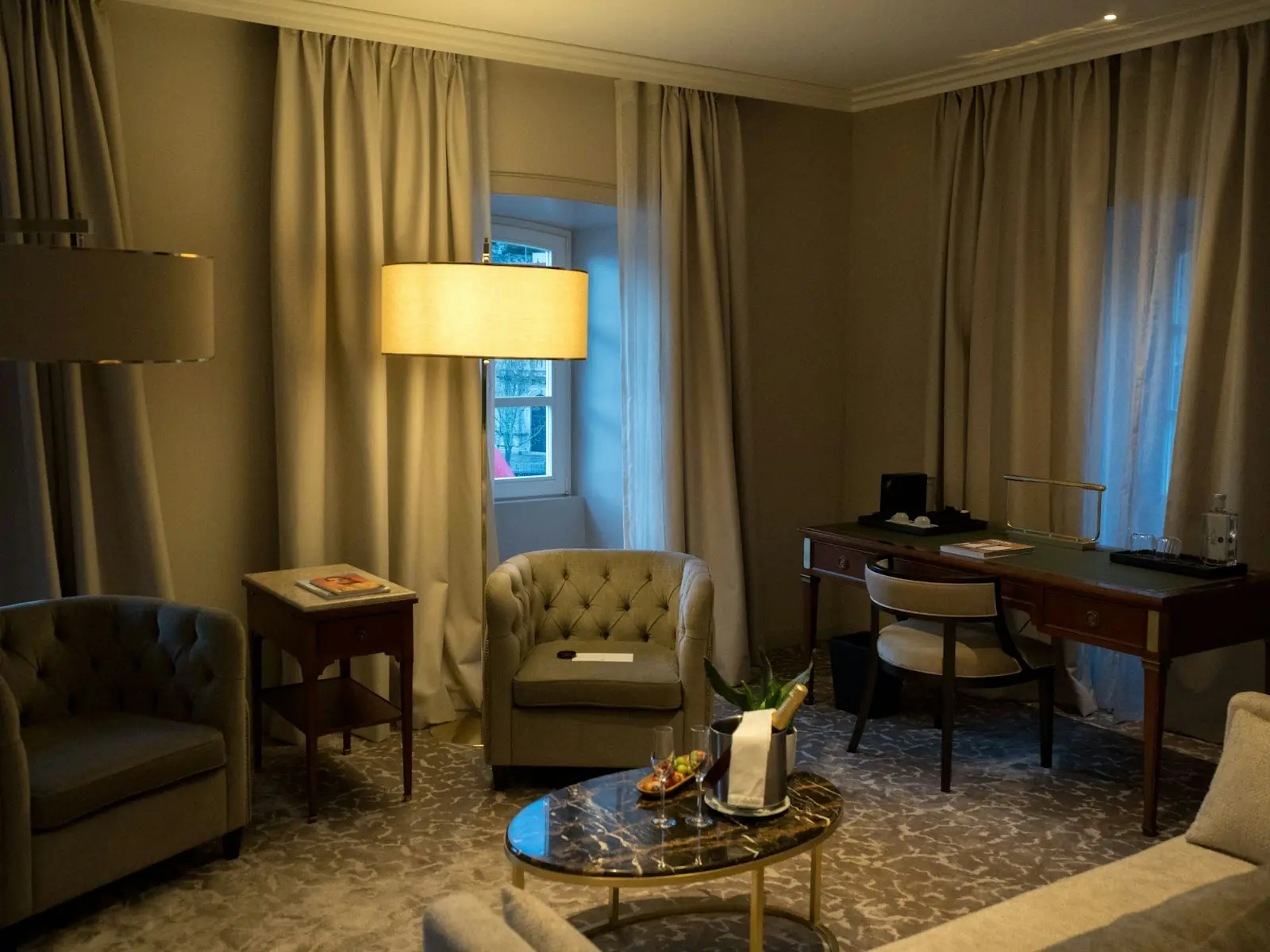
Boutique properties win on character: the history of the building, the design, the restaurant downstairs, the walk to the water. A well-written about page, a dining page and a local guide to your neighborhood give guests reasons to choose you over a chain.
That content also helps search engines and AI search tools understand what makes your property different, so you show up for searches like "historic inn with a fireplace" or "pet-friendly boutique hotel." Our SEO and AI search optimization starts at $999 per month, and our AI search guide explains how it works.
What a boutique hotel website costs
- Website, $3,999: five pages, such as home, rooms, dining or experiences, local guide and contact, in about 21 days. Properties with many room types often add pages.
- E-commerce, $8,999: adds online sales for gift cards, packages and add-ons, in 30 or more days.
- Landing Page, $1,999: a single page for a new property or a seasonal campaign, in about 10 days.
Booking engine and property system connections are custom quoted. Read the website cost guide or schedule a call.