
When custom software makes sense
Off-the-shelf software is the right call for a lot of problems. It stops being the right call when:
- Your team keeps the real numbers in a spreadsheet because the app cannot handle them.
- One task means jumping between three or four different tools.
- You pay for features nobody uses while the one you need does not exist.
- Important steps live in one person's head and stall when they are out.
Custom software does not have to be a giant project. Many of the best tools we build do one job well, like turning a messy spreadsheet into a clean tracker everyone can update at the same time.
If that sounds familiar, a focused custom tool can save your team hours every week. Our custom software vs. off-the-shelf guide walks through how to decide.
Custom software we build
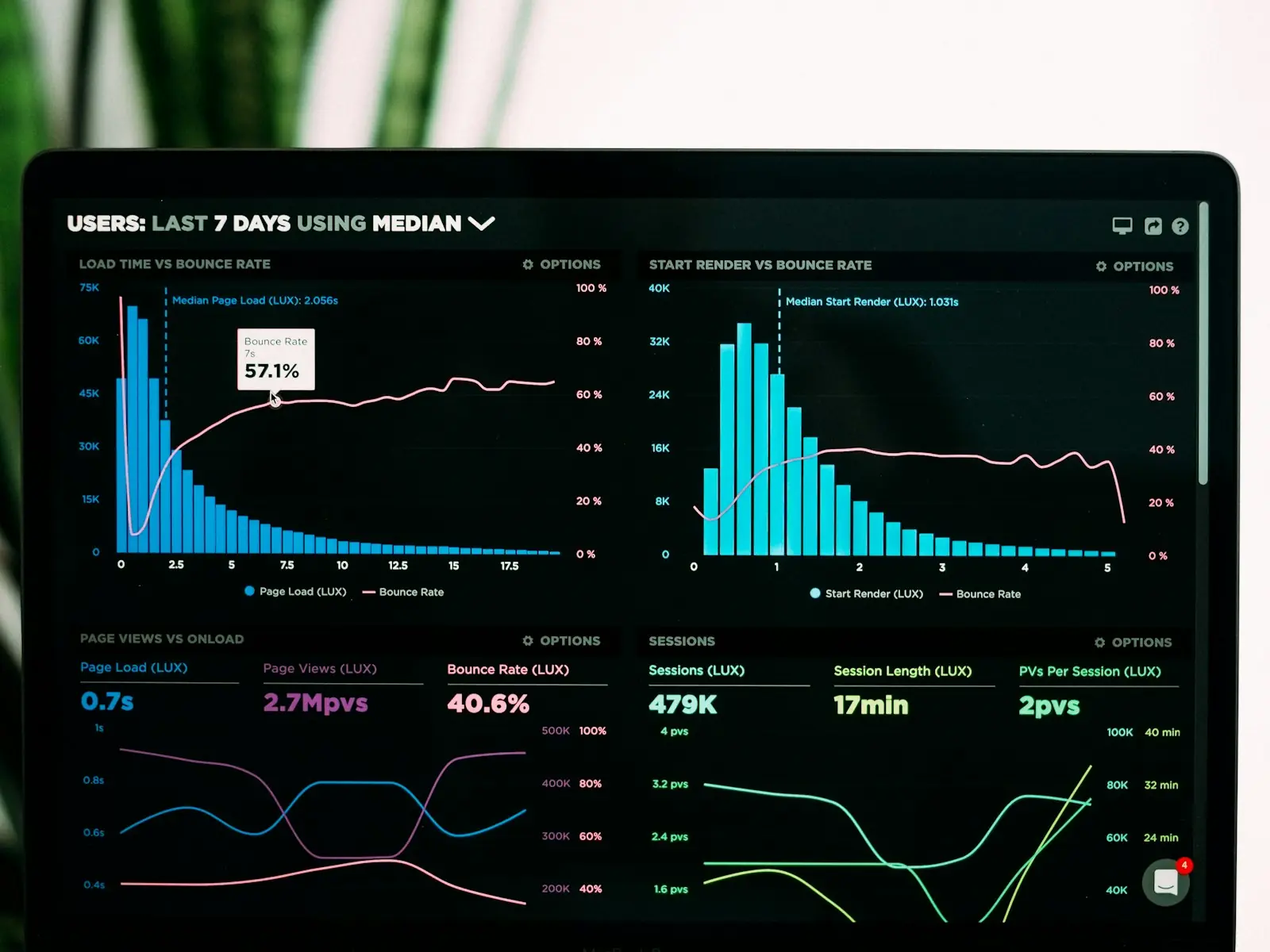
- Internal dashboards and portals: one place for your team to see jobs, orders, numbers and tasks.
- Client portals: give customers a login to check status, upload files, approve work or view invoices.
- Employee portals: schedules, documents, requests and updates for your staff in one spot.
- Quote and estimate builders: produce consistent, accurate quotes in minutes instead of rebuilding them each time.
- Job, order and inventory tracking: know where every job, order and item stands without asking around.
- Approval and workflow tools: route requests to the right person and keep a record of who approved what.
- Mobile apps for your team: tools your crew or staff can use on their phones, in the field or on the floor.
- Scheduled reports and alerts: get the numbers you care about on a set schedule, and a heads-up when something needs attention.
Built around how your business works
We start by learning how work actually moves through your business today: who does what, which tools they touch and where things slow down. Then we design the software to match that flow and remove the steps that do not need to be there.
The goal is software your team picks up quickly because it already makes sense to them. We keep the first version focused on the tasks that matter most, then add to it as your needs grow.
That approach also keeps you in control. You see the screens before they are built, you review progress as it happens and you decide what comes next. Nothing is locked in a black box, and every feature traces back to a real task your team does.
How custom software pricing works
Custom internal tools start at $5,000 for a focused first version, such as a quote builder, a simple portal or a job tracker. Bigger systems are priced from a written scope. The biggest factors are:
- How many screens, roles and user types the tool needs.
- Whether it is web-only or also needs a mobile app.
- How many outside tools it connects to.
- How much existing data needs to move into it.
- The reports, alerts and permissions you need.
You get a written scope, price and timeline before any work starts. Starting with a focused first version keeps cost in check and gets the tool into your team's hands sooner.
How a custom software project runs
- Discovery call. We learn your workflow, your team and the problem the software needs to solve.
- Scope and quote. We define the features for the first version and send pricing and a timeline.
- Design. We lay out the screens so you can see how the tool will work before it is built.
- Build and review. We build in stages and you review progress along the way.
- Launch and train. We roll it out to your team and walk them through it.
- Support and improve. We fix issues and add features as your business changes.
Connected to your website and your tools
Custom software works best when it shares data with the rest of your business. We can connect it to your CRM, POS, payments and calendar, tie it into your website so customer requests flow straight in, and add AI tools for tasks like drafting quotes or summarizing records.
Who we build custom software for
We work with small businesses nationwide, mostly in restaurants, trades, hospitality, studios, shops and local service businesses. A contractor might need a quote builder and job tracker. A restaurant might need inventory tracking and a staff portal. A home services company might need an internal dashboard and approval tools. The common thread is a business that has outgrown its spreadsheets.