
Remodeling clients research long before they reach out
Unlike an emergency repair, a remodel is planned. Homeowners save photos, read about materials, compare contractors and talk it over at the kitchen table, often for a long stretch before filling out a form. Your website has to hold up to repeat visits and close inspection.
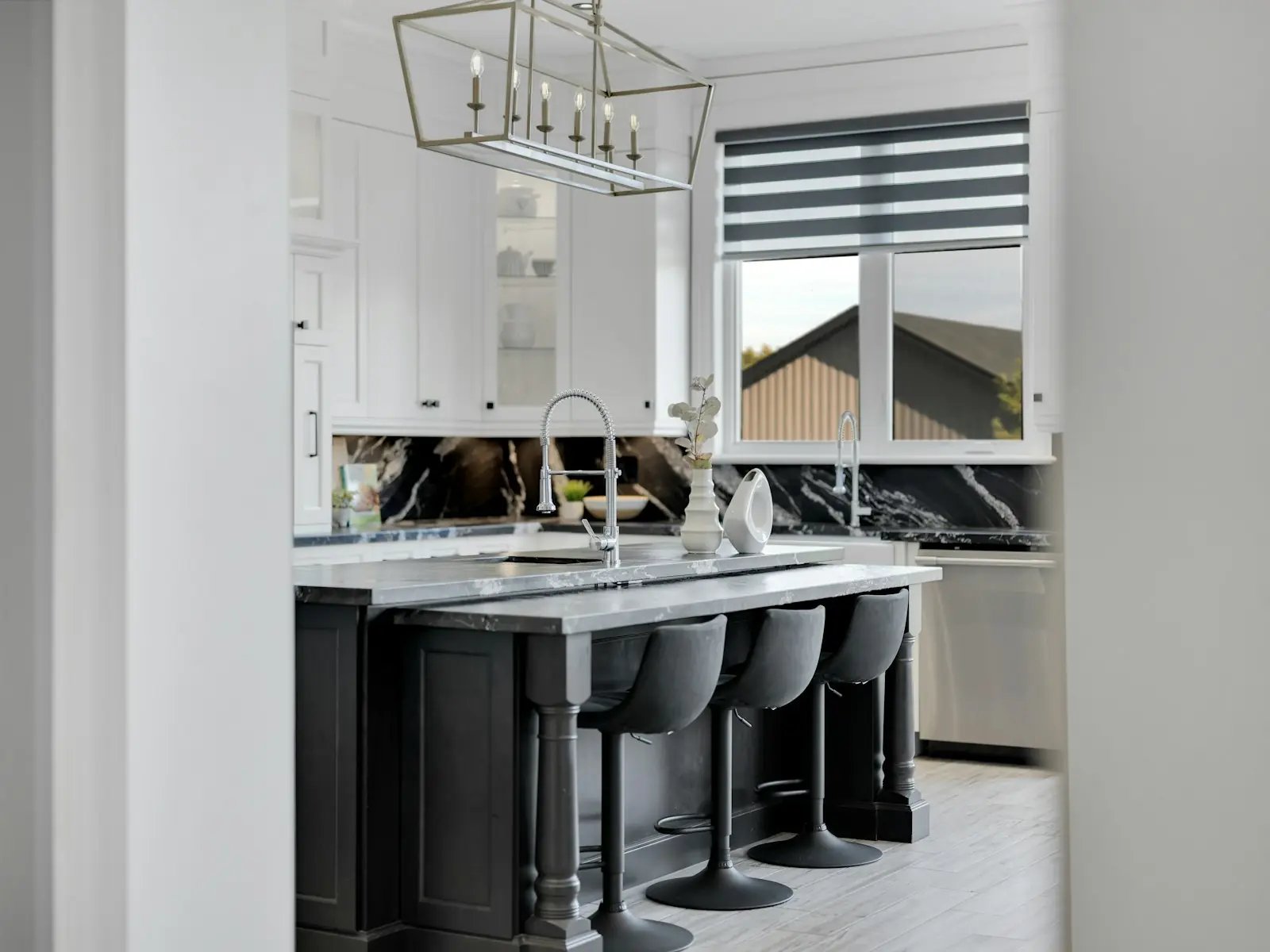
That means a site that feels as carefully finished as your work: strong photography, clear writing about how you run projects and enough detail that a cautious buyer feels informed rather than sold to. A thin site with a few stock images tells them you might cut corners elsewhere too.
Project galleries organized by room and scope
A couple planning a primary bath wants to see bathrooms, not a mixed feed of decks and basements. We organize galleries by project type so visitors go straight to what matters to them:
- Kitchen remodels
- Bathroom remodels
- Basement finishing
- Additions and whole-home renovations
- Outdoor living, if you build it
Short project write-ups covering the starting point, the goals and the finished result turn photos into stories a buyer can see themselves in. Notes on layout changes, materials and any surprises behind the walls show the expertise a homeowner is paying for.
Inquiry forms that qualify leads
Not every inquiry is a fit. A form that asks for project type, rough budget range, desired timeline and whether the homeowner has plans or a designer helps you spend consultation time on serious buyers. It also sets expectations: a visitor who sees a budget field understands that a full kitchen remodel is a real investment.
Through our integrations work, qualified inquiries can flow into your CRM and trigger a confirmation email or text, so homeowners hear back quickly even while your team is on a jobsite.
Client portals and project updates
Communication is where many remodeling relationships strain. Clients want to know what happens this week, when the cabinets arrive and what decisions they still owe you. We build custom client portals where homeowners can see schedules, selections, approvals and progress photos in one place, and internal tools such as job tracking dashboards, change order approval flows and estimate builders for your team.
These are custom quoted. Our guide to custom software vs. off-the-shelf can help you decide whether a project management app already covers your needs.
Content that answers cost and process questions
"How much does a kitchen remodel cost" and "how long does a bathroom renovation take" are among the questions buyers ask search engines and AI tools before they ever contact a contractor. Pages that answer them honestly, with the factors that move price and timeline, build trust and give you a chance to be the source those tools cite. Ongoing SEO and AI search optimization starts at $999 per month.
What a remodeling website costs
Pinnacle publishes its pricing:
- Landing Page, $1,999: one page in about 10 days, useful for a single offer such as bathroom remodels.
- Website, $3,999: five pages in about 21 days, covering your home page, services, gallery, process and contact.
- E-commerce, $8,999: 30+ days, for remodelers who also sell products or design packages online.
Portals and internal tools are quoted separately. The website cost guide explains how scope affects price, or schedule a call.